Quality Knot Therapy Massage LLC for deep tissue and therapeutic massage sessions
Quality Knot Therapy Massage LLC for deep tissue and therapeutic massage sessions
Blog Article
Unlock the Benefits of Therapeutic Massage: Your Path to Calm and Well-being
Massage therapy delivers a holistic approach to boosting wellness. It enhances circulation and alleviates anxiety, fostering both physical and psychological health. Multiple approaches address specific needs, making it crucial to understand their distinct advantages. As people consider adding massage to their health routines, questions surface about best choices and results. What knowledge can be gained from exploring these aspects further?
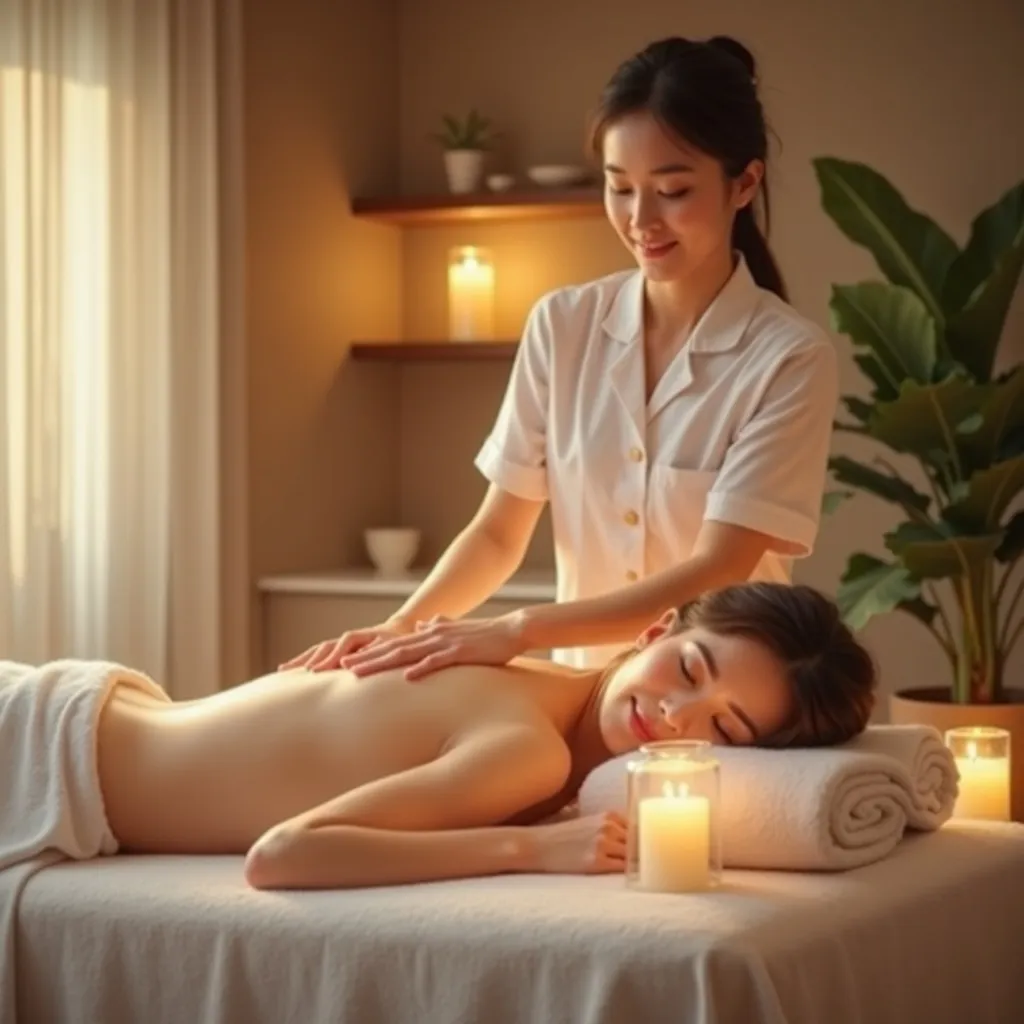
Understanding the Evidence Behind Massage Therapy Rewards
What powers bodywork to be so powerful in supporting well-being? The research backing this approach originates from its capacity to modify the body's mental and physical states. Massage therapy enhances circulation, maximizing the supply of essential elements and oxygen to tissues while promoting the removal of cellular waste. This improved blood flow can lead in speedier recovery from physical injuries and lessened muscle tightness. Additionally, the tactile stimulation present in therapeutic practice triggers the liberation of endorphins, the body's natural painkillers, generating a state of comfort and relaxation.
Moreover, findings suggest that massage therapy can alter the autonomic nervous system, converting it from a state of stress to one of tranquility. This equilibrium helps maintain heart rate and blood pressure, boosting overall health. By handling both physical and emotional aspects, massage therapy acts as a integrated method to improving vitality, making it a key resource in health management.
The Way Massage Therapy Lowers Pressure and Nervousness
Massage therapy promotes an heightened state of relaxation, which can significantly alleviate stress and anxiety. Studies suggest that it effectively lowers cortisol levels, contributing to a more peaceful mental state. Additionally, the practice fosters better emotional control, promoting emotional well-being.
Advanced Anxiety Reduction
The soothing touch of skilled hands can evoke a profound relaxation response, successfully lowering anxiety and tension. Massage treatment promotes the release of muscular tension, promoting an overall sense of calm. This physical release helps people feel more grounded, enabling their minds to enter a calm state. Clients often report a notable decrease in racing thoughts and mental clutter during and after a session. Moreover, the rhythmic nature of massage can evoke a meditative state, enhancing emotional well-being. When the body relaxes, the heart rate commonly slows, and breathing deepens and evens out. This deep relaxation response both produces immediate relief and aids lasting improvements in stress management and mental health.
Reduced Cortisol Concentrations
While many seek relaxation through different approaches, research shows that massage therapy significantly reduces cortisol levels, a primary stress hormone. Elevated cortisol is often associated with chronic stress, which can result in multiple health problems, including anxiety and depression. Research show that consistent therapeutic massage can substantially reduce these cortisol levels, promoting a state of peace and wellness. This reduction not only eases immediate stress responses but also contributes to long-term health benefits. By decreasing cortisol, massage therapy can help individuals manage their stress more successfully, improving their overall quality of life. In addition, lower cortisol levels may improve sleep and boost immune function, creating a holistic approach to wellness and relaxation.
Enhanced Emotional Balance
Although many elements influence emotional well-being, research indicates that massage therapy is vital for improving mood regulation by reducing stress and anxiety. The physiological effects of massage, such as better circulation and muscle relaxation, aid in creating a sense of calm. Studies have shown that regular sessions produce lower levels of cortisol, the stress hormone, while increasing serotonin and dopamine, neurotransmitters responsible for happiness and relaxation. Clients often report fewer symptoms of anxiety and depression after treatment, which boosts overall emotional resilience. By addressing both physical and emotional tension, massage therapy provides a valuable tool for individuals aiming to improve their mental health and achieve a balanced mood.
Exploring Therapeutic Massage Methods and Their Benefits
Massage therapy encompasses a assortment of techniques, each designed to address particular somatic and affective needs. An examination of these methods demonstrates considerable health benefits, ranging from enhanced ease to improved circulation. Understanding the distinct techniques can enable people select the most effective method for their wellness path.
Varieties Of Massage Approaches
The diverse world of therapeutic massage encompasses a variety of modalities, each modified to fulfill specific requirements and desires. Swedish massage is among the most popular styles, focusing on extended, graceful strokes to cultivate relaxation. Deep tissue massage explores deeper into tissue layers to alleviate chronic tightness. Sports massage targets athletes, advancing performance and facilitating restoration through specialized techniques. Shiatsu, a Japanese method, practices finger pressure on specific areas to equilibrate energy flow. Meanwhile, aromatherapy massage combines essential oils with gentle methods to enhance relaxation and emotional well-being. Finally, prenatal massage is designed expectant mothers, imparting comfort and relief from pregnancy-related discomfort. Each modality presents remarkable experiences and can cater to individual wellness goals.
Health Positives Summary
Looking into the various health benefits of massage therapy demonstrates its remarkable impact on physical and mental well-being. Research shows that massage can reduce pain, diminish muscle tension, and increase circulation, facilitating more rapid recovery from injuries. Additionally, it increases flexibility and range of motion, essential for enabling an active lifestyle. On a psychological level, massage therapy is known to lessen stress and anxiety, contributing to improved mood and overall mental clarity. Additionally, it can promote better sleep quality, information enabling restorative rest. Regular treatment can help achieve a more balanced mind and body, emphasizing the value of incorporating massage therapy into holistic wellness approaches. Therefore, the benefits of massage therapy extend well beyond simple relaxation.
How to Pick the Ideal Treatment for Your Needs
How can someone determine the most suitable massage type to correspond with personal wellness goals? First, it is essential to pinpoint specific needs, such as relaxation, pain relief, or improved mobility. For stress reduction, Swedish massage may be ideal, emphasizing gentle techniques that promote relaxation. Conversely, for muscle tension or chronic pain, deep tissue massage targets deeper layers of muscle and connective tissue.
People seeking superior athletic performance might reap rewards from sports massage, which focuses on strengthening flexibility and reducing the risk of injury. Moreover, those fascinated by wellness-based approaches could try out aromatherapy massages, incorporating essential oils for enhanced relaxation and mood improvement.
Speaking with a licensed massage therapist can supply helpful information into which techniques complement individual aspirations. By grasping the various types of massage and their benefits, individuals can make informed choices that closely match with their fitness aspirations.
Integrate Therapeutic Massage in Your Self-Care Program
Blending massage therapy into a health approach can markedly improve overall well-being. Consistent sessions can diminish stress, soften muscular strain, and promote circulation, facilitating a more balanced lifestyle. By reserving time for massage, people set up a special sanctuary for relaxation and self-care, which can be exceptionally rewarding in our quick-moving society.
Creating a consistent schedule, whether weekly or biweekly, allows the body to gain compounding benefits. This practice not only helps maintain bodily health but also fosters cognitive clarity and psychological stability. Additionally, integrating different types of massage—such as Swedish, deep tissue, or aromatherapy—can appeal to specific requirements and preferences, improving the overall experience
Ultimately, making massage therapy a regular part of a wellness routine empowers individuals to focus on their well-being, leading to improved quality of life and a stronger awareness of their body's needs.
What to Expect During Your First Massage Session
After recognizing massage therapy as an essential component of a wellness routine, individuals may ask what their first session will involve. Typically, the experience begins with a brief consultation where the therapist reviews the client's medical history, preferences, and specific areas of concern. This dialogue ensures a customized approach tailored to individual needs.
Once comfortable, clients are directed to a private room and asked to undress to their level of comfort, often under a towel or towel for discretion. The practitioner will show methods, describing the procedure and answering any concerns. Initial strokes may seem unusual, but the practitioner will adjust intensity according to input.
During the treatment, comfort is prioritized, and clients are encouraged to convey any discomfort. Upon finishing the massage, clients commonly receive post-care guidance, including water intake guidance and suggested stretches. All in all, the initial session builds the foundation for a therapeutic relationship centered around wellness.
Common Asked Questions
What Regularity of Massages Will Deliver Optimal Benefits?
For optimal benefits, individuals should think about receiving a massage every four to six weeks. However, regularity may vary based on personal needs, stress levels, and specific health conditions needing tailored treatment for optimal outcomes.
Does Massage Therapy Support Distinct Medical Ailments?
Massage therapy may help with handling specific health problems, such as chronic pain, anxiety, and muscle tension. Its healing properties could work alongside conventional therapies, fostering overall wellness and boosting recovery for various conditions.
Which Ought I Put On During a Massage Appointment?
During a massage session, clients typically put on loose, comfortable clothing or may opt to remove clothing to their comfort level. Therapists offer coverings for privacy, ensuring calmness while upholding professionalism throughout the experience.
Are There Any Adverse Reactions of Massage Therapy?
Massage therapy can cause mild side effects, including brief discomfort, bruising, or tiredness. People with certain medical conditions may encounter greater adverse effects, so speaking with a healthcare professional in advance is recommended for customized advice.
What's the Best Way to Locate a Qualified Massage Therapist?
To discover a skilled massage specialist, individuals should request recommendations from reliable sources, check qualifications, read customer reviews, and validate certifications. Meeting prior to scheduling can also help evaluate compatibility and proficiency.
Report this page